Hauling the Future: How Stralis Energy’s Cable Trailer Fleet Powers Australia’s Energy Network

ByDanilo Santander

Hauling the Future: How Stralis Energy’s Cable Trailer Fleet Powers Australia’s Energy Network
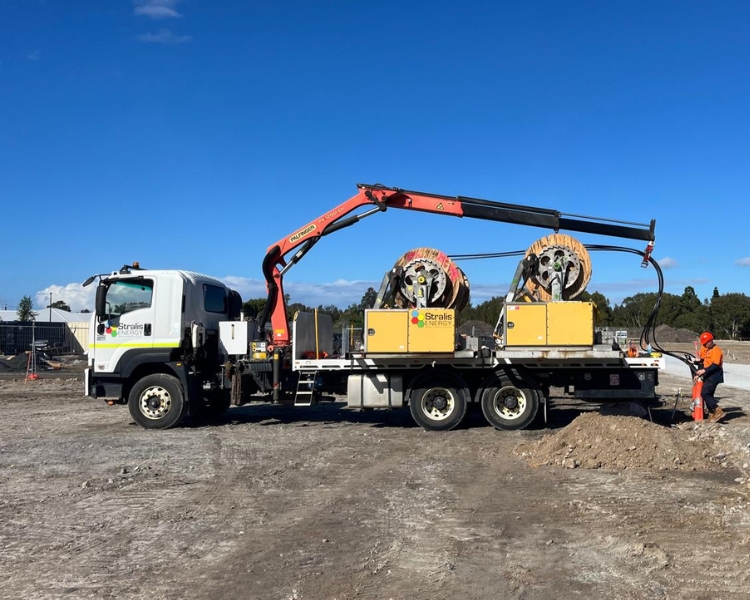
Precision, Power, and Reliability in Every Haul

In Australia’s growing energy landscape, efficient cable hauling is the backbone of successful infrastructure delivery. Whether it’s powering rural communities, connecting large-scale solar farms, or maintaining critical electrical networks, Stralis Energy delivers with precision and reliability.

Our fleet of purpose-built cable trailers and support equipment is engineered to handle every challenge—from compact self-loading units to heavy-duty 20-tonne jinkers—ensuring projects are completed on time and to the highest safety standards.

Our Hauling Fleet

2010 Redmond Gary 3-Drum ABC Body Trailer

A powerhouse for Aerial Bundle Cable (ABC) installation. This triple-drum trailer features a fully galvanised frame, hydraulic drum drives, and one-person operation capability. It allows efficient cable payout and retrieval across multiple reels, ideal for distribution line work and rural network upgrades.

Capacity: Three 1,400 mm cable drums | Max Drum Weight: 950–1,450 kg each
Highlights: Diesel-powered hydraulics, electric/air brakes, one-person operation

1995 Redmond Gary Pig Trailer (6 T Cable Drum Trailer)

A true workhorse of the fleet. Built for stability and heavy loads, this 6-tonne self-loading trailer carries large cable reels with ease. Its hydraulic arms and dual-axle design make it ideal for major infrastructure or transmission projects.

Capacity: Up to 5.7 t drum load | ATM: 9 t
Highlights: Hydraulic self-loading, air brakes, dual-axle stability

2007 Vermeer V250 Vacuum Excavator Trailer

Perfect for non-destructive digging (NDD) and underground cable work, the Vermeer V250 combines hydro-excavation with debris collection. Compact yet powerful, it allows safe digging around existing utilities without the risk of damage.

Capacity: 250 gal spoil tank + 100 gal water
Highlights: 25 hp diesel engine, 575 CFM vacuum, 15″ Hg suction, 3.2 t GVW

2020 Belco 20 T Cable Trailer (CJ20A Jinker)

Our flagship hauler for large-scale cable deployment. Designed for drums up to 4.3 m in diameter, this 20-tonne jinker features hydraulic lifting arms, remote operation, and precision cable payout for high-voltage projects and wind or solar farms.

Capacity: 20,000 kg | Max Drum Size: 4.3 m × 2.25 m
Highlights: Diesel hydraulic drive, wireless remote control, multi-directional payout

1992 Redmond Gary 1.5 T Self-Loading Cable Trailer

Compact, reliable, and easy to operate—this classic self-loader remains one of our most versatile tools. Ideal for smaller cable runs or telecom work, it can be safely operated by one person thanks to its dual hydraulic arm system.

Capacity: 1.5 t drum | Drum Size: 1.8 m × 1.2 m
Highlights: One-person loading, electric brakes, portable and road-ready

1997 Cable Drum Trailer

A general-purpose cable transport trailer, built for efficiency and flexibility. While simple in design, it remains dependable for medium-capacity cable transport, training setups, or support work in the field.

Capacity: 2.5–3 t drum | ATM: 5 t
Highlights: Manual drum brakes, adjustable supports, tandem-axle design

Why Stralis Energy Leads in Cable Hauling

At Stralis Energy, we don’t just move cables—we move progress. Every trailer in our fleet is maintained to the highest safety and performance standards, ensuring uptime and operational precision. Our team of certified technicians and operators understand the demands of high-voltage installations, solar farm connections, and energy distribution projects—and our equipment reflects that expertise.

From a single drum in a suburban street to multi-reel setups feeding kilometres of high-voltage cable, Stralis Energy delivers power where it’s needed most.

Contact us by form or calling us
ByDanilo Santander

Power Your Home with Solar in Ballina and the Northern Rivers

Solar Energy for Homes. Go Solar Across the Northern Rivers with Stralis Energy

The Northern Rivers region is blessed with year-round sunshine, making it one of the most ideal locations in Australia for harnessing solar energy. From Ballina and Byron Bay to Tweed Heads, Alstonville, Lismore, Casino, Yamba, Maclean, and Mullumbimby, more families are choosing to invest in residential solar systems to lower their energy costs, live more sustainably, and gain energy independence.

At Stralis Energy, we provide reliable, high-quality solar solutions tailored to the needs of Northern Rivers households.

Stralis Energy, Residential Solar Energy

Why Northern Rivers Homes Are Going Solar

Living in regional New South Wales often means dealing with high energy bills and the uncertainty of rising electricity prices. Installing solar panels gives you control by:

  • Cutting power costs – Generate your own clean energy and reduce reliance on the grid.

  • Boosting home value – Solar-powered homes are more appealing to buyers.

  • Protecting your family budget – Shield yourself from energy price hikes.

  • Reducing emissions – Every solar installation contributes to a cleaner, greener region.

Custom Solar Solutions for Every Home

Every home in the Northern Rivers is unique, whether you’re in a coastal property in Byron Bay, a suburban home in Lismore, or a rural property in Casino or Maclean. Stralis Energy designs solar systems customised to suit your energy needs, roof size, and future goals.

Our services include:

  • Premium solar panels engineered for durability in Australian conditions.

  • Battery storage systems for reliable power day and night.

  • Accredited installation by experienced professionals.

  • Ongoing support and maintenance to maximise your solar investment.

Local Knowledge, Local Service

Because we’re based right here in the Northern Rivers, we understand the energy needs of families and businesses across:

  • Ballina

  • Byron Bay

  • Alstonville

  • Tweed Heads

  • Yamba & Maclean

  • Lismore

  • Casino

  • Mullumbimby

  • … and all surrounding communities.

Wherever you live in the region, Stralis Energy is your trusted solar partner.

Government Rebates & Incentives

There’s never been a better time to go solar. NSW residents may be eligible for government rebates and feed-in tariffs that reduce the upfront costs and reward you for feeding excess power back into the grid. Our team will guide you through the available incentives so you don’t miss out.

Add Your Heading Text Here

  • Trusted local expertise – We know the Northern Rivers.

  • High-quality products – Built to last in tough Australian conditions.

  • Commitment to sustainability – Helping households make a real impact.

  • End-to-end service – From consultation to installation and support

Take the First Step Towards Energy Freedom

If you live in the Northern Rivers and want to reduce your energy bills while supporting a cleaner future, Stralis Energy is here to help.

👉 Contact us today for a free solar consultation and quote.
Call us on 1800 787 245 or visit www.stralisenergy.com.au to get started.

Address: 6 Broadwater Pl, West Ballina, NSW.2478

Hours: Monday to Friday. 8am to 5pm.

Phone: 1800 787 254
E-mail: Info@stralisenergy.com.au

© [2025] Stralis Energy. All rights reserved. Licensed & accredited electrical and solar provider. Compliant with Australian industry standards & regulations

We recognise and pay respect to the Elders and communities – past, present, and emerging – of the lands that Stralis Energy stand on. For thousands of years they have shared and exchanged knowledges across innumerable generations for the benefit of all.

ByDanilo Santander

Safe Tree Trimming Near Powerlines in Northern NSW

Tree Trimming Near Powerlines

Safe Tree Trimming Near Powerlines in Northern NSW

Keeping trees clear of powerlines is not just good practice – it’s essential for safety and reliable electricity. At Stralis Energy, we provide professional vegetation management and tree trimming near powerlines across the Northern Rivers region, from Tweed to Coffs Harbour to Casino.

Qualified ASP Electrical Services

As a Level 1, 2 and 3 ASP (Accredited Service Provider), Stralis Energy is fully authorised to work around high-voltage (HV) and low-voltage (LV) lines. Our services include:

  • Safe trimming around overhead line connections

  • Vegetation clearance near private and public powerlines

  • Full compliance with NSW safety regulations

Who Is Responsible?

If trees grow too close to private powerlines on your property, it is the homeowner’s responsibility to keep them clear. Unmaintained vegetation can lead to outages, bushfire risks, or even legal liability.

Safety Tips for Homeowners

  • Inspect trees regularly, especially before storm season

  • Keep safe clearance: at least 0.5m from insulated LV and 2m from HV lines

  • Never attempt DIY – only qualified ASP crews can work near live wires

Why Choose Stralis Energy?

Tree trimming around live powerlines is dangerous and regulated by law. Our accredited team uses specialised equipment and follows strict safety standards, ensuring reliable and compliant results every time

Stay safe. Stay compliant.
Contact Stralis Energy today for professional electrical services, vegetation management, and tree trimming near powerlines in Northern NSW.

Address: 6 Broadwater Pl, West Ballina, NSW.2478

Hours: Monday to Friday. 8am to 5pm.

Phone: 1800 787 254
E-mail: Info@stralisenergy.com.au

© [2025] Stralis Energy. All rights reserved. Licensed & accredited electrical and solar provider. Compliant with Australian industry standards & regulations

We recognise and pay respect to the Elders and communities – past, present, and emerging – of the lands that Stralis Energy stand on. For thousands of years they have shared and exchanged knowledges across innumerable generations for the benefit of all.

ByDanilo Santander

Why Small Businesses Are Switching to Solar Energy — and Why You Should Too

Why Small Businesses Are Switching to Solar Energy — and Why You Should Too

In today’s competitive business environment, every dollar counts — and so does every decision you make about your company’s future. For small business owners, switching to solar energy is no longer just an environmental choice; it’s a strategic financial decision that delivers measurable results. From reducing your carbon footprint to unlocking generous tax benefits, solar power offers an opportunity to strengthen your business both sustainably and financially.

Sustainability That Pays Off

Customers and partners increasingly expect businesses to demonstrate environmental responsibility. By generating clean, renewable electricity on-site, you reduce greenhouse gas emissions, show your commitment to sustainability, and position your brand as a leader in eco-friendly practices. This positive brand image can set you apart from competitors and attract environmentally conscious clients who value businesses with strong corporate social responsibility values.

Government Rebates and Incentives

One of the biggest misconceptions about solar is that it’s too expensive to get started. The truth is, government rebates and incentive programs can dramatically reduce your upfront costs. In many regions, these incentives cover a significant percentage of your installation, putting solar within reach for small businesses that want to act now rather than later.

Tax Benefits Tailored for Small Businesses

This is where solar really shines for small business owners: tax advantages. Programs such as the Federal Investment Tax Credit (ITC) allow you to deduct up to 30% of your system’s cost directly from your taxes. On top of that, small businesses can use accelerated depreciation rules — like the Modified Accelerated Cost Recovery System (MACRS) — to write off a substantial portion of the investment in the first year. The result? Immediate cash flow benefits and a faster return on your investment. Some states and local councils even offer additional grants or bonus credits aimed specifically at supporting smaller enterprises.

Long-Term Savings and Energy Security

Once installed, your solar system starts working for you right away — slashing electricity bills, protecting you from rising energy prices, and providing predictable operating costs. Most small businesses see their systems pay for themselves in just a few years, with decades of virtually free power ahead. That means more money in your pocket and less exposure to unpredictable utility rate hikes.

The Bottom Line

Switching to solar is one of the smartest investments you can make for your small business. You’ll reduce operating costs, improve cash flow, enhance your brand’s reputation, and make a tangible difference for the planet. With today’s combination of rebates, incentives, and tax benefits, there has never been a better time to go solar.

Ready to find out how much your business could save? Contact Stralis Energy today for a free solar assessment and see how sustainable energy can power your growth.

Address: 6 Broadwater Pl, West Ballina, NSW.2478

Hours: Monday to Friday. 8am to 5pm.

Phone: 1800 787 254
E-mail: Info@stralisenergy.com.au

© [2025] Stralis Energy. All rights reserved. Licensed & accredited electrical and solar provider. Compliant with Australian industry standards & regulations

We recognise and pay respect to the Elders and communities – past, present, and emerging – of the lands that Stralis Energy stand on. For thousands of years they have shared and exchanged knowledges across innumerable generations for the benefit of all.

ByDanilo Santander

Plant & Equipment Hire You Can Count On – Wet & Dry Options Available

Plant & Equipment Hire You Can Count On – Wet & Dry Options Available

Scania R500 6x4 Prime Mover

At Stralis Energy, we provide reliable plant and equipment hire for electrical, solar, civil, and infrastructure projects across NSW and South Queensland. Whether you need machinery only (dry hire) or experienced operators on-site (wet hire), we’ve got you covered with gear that’s ready to perform and easy to access.

Safe, Maintained & Site-Ready

Every item in our fleet is:

Checked daily, Fully serviced and Compliant with Australian safety standards

We take maintenance seriously so you can work with confidence. No delays. No downtime. Just equipment that’s ready to go when you are.

What’s Available for Hire?

Stralis Energy offers a full range of plant and equipment for hire, including diesel generators (5kVA to 100kVA), cable trailers, drum stands, winches, excavators, trenchers, skid steer loaders, tipper trucks, EWPs, Vacuum Truck,  Cranes and Borer, temporary switchboards, electrical testing instruments, power tools. All equipment is fully serviced, safety-compliant, and ready to perform — whether you need it for a single day or an extended project.

Generator Hire
Fleet Hire
Borer Hire
v
Kobelco SK75SR-7 Excavator for Hire

Delivery Across NSW & South Queensland

We’re based in Ballina, but our equipment travels. Whether your job is on the coast, in the bush, or out near the border — we’ll deliver straight to your site. Fast, reliable delivery means you spend less time waiting and more time getting the job done.

Wet or Dry Hire – Your Choice

  • Dry Hire: Just need the equipment? We’ll deliver it clean and ready for your team.

  • Wet Hire: Want it handled? We’ll supply experienced, licensed operators to get it done safely and efficiently.

Our team will help you choose the right option for your timeline, budget, and project requirements.

Let’s Get to Work

Whether you need a generator for a remote solar install, a tipper truck for trenching, or cable trailers for infrastructure upgrades, we’ve got the right gear — and we make hiring it easy.

How can we assist your next project? 1800 787 254 – Contact Us

Address: 6 Broadwater Pl, West Ballina, NSW.2478

Hours: Monday to Friday. 8am to 5pm.

Phone: 1800 787 254
E-mail: Info@stralisenergy.com.au

© [2025] Stralis Energy. All rights reserved. Licensed & accredited electrical and solar provider. Compliant with Australian industry standards & regulations

We recognise and pay respect to the Elders and communities – past, present, and emerging – of the lands that Stralis Energy stand on. For thousands of years they have shared and exchanged knowledges across innumerable generations for the benefit of all.

ByDanilo Santander

HV and LV Cable Laying Across NSW: Powering the State with Precision

Powering NSW: Expert HV and LV Cable Laying by Stralis Energy

HV and LV Cable Laying

HV and LV Cable Laying Across NSW

In today’s energy-driven world, the safe and efficient installation of underground and overhead electrical infrastructure is critical. At Stralis Energy, we specialise in High Voltage (HV) and Low Voltage (LV) cable laying across New South Wales, helping power everything from residential developments to industrial sites and renewable energy facilities.

What Is HV and LV Cable Laying?

HV (High Voltage) cables typically carry electricity over long distances or serve industrial loads and substations. LV (Low Voltage) cables distribute electricity within homes, businesses, and local grids. Each requires precise handling, correct trenching, and strict compliance with safety and regulatory standards.

Cable laying involves more than just placing cables underground. It includes:

  • Site assessment and trench design

  • Cable hauling, laying, and alignment

  • Cable jointing, termination, and insulation

  • Backfilling, warning tapes, and restoration

  • Compliance documentation and testing

Stralis Energy’s qualified technicians ensure every step is done right the first time, with safety, durability, and future scalability in mind.

Our Capabilities: Covering All Aspects of Cable Infrastructure

We provide both standalone services and end-to-end project delivery, tailored to your needs:

  • Project Development & Consulting — Feasibility, design reviews, constructability analysis to optimize costs and timelines.

  • Construction & Commissioning — Full lifecycle delivery including trench excavation, jointing, termination, testing, and validation to Australian standards.

  • Operations Support & Maintenance — Ongoing support post-installation to keep your systems compliant and operational.

This approach mirrors successful models like All Energy Contracting, where controlled, project-centric delivery ensures reliability and on-time performance

Safety, Standards & Compliance at the Forefront

We conduct every project under stringent safety protocols consistent with industry best practice:

  • ASP Level 1 and Level 2 accredited work — Fully certified for underground and overhead electrical installations across NSW.

  • ISO-Aligned Management Systems — Our quality, safety, and environmental standards follow frameworks like ISO 9001, ISO 45001, and ISO 14001.

  • Rigorous testing & commissioning — Comprehensive validation ensures maximum reliability and regulatory compliance.

Proven Project Expertise in NSW

Mirroring the wide-ranging project experience featured by All Energy Contracting, Stralis Energy has successfully completed:

  • Solar and Battery Installations — HV/LV cable laying, jointing, and electrical reticulation across renewable energy projects.

  • Civil and Electrical Infrastructure — Supporting subdivisions, industrial expansions, and critical energy networks.

  • Commissioning & Testing — Precise testing, fault checking, and certification for seamless system handover.

Precision Equipment & Expert Teams

We integrate advanced tools with skilled professionals for unmatched service:

  • Specialised equipment — Including cable trailers, winches, drum stands, and testing gear, similar to leading operators in the field.

  • Qualified workforce — From certified cable jointers to ASP Level 1/2 electricians, each team is trained to uphold workplace safety and technical accuracy.

  • Comprehensive project management — Delivering seamless execution from procurement to completion, ensuring projects run according to plan.

Sustainability & Community Focus

We integrate advanced tools with skilled professionals for unmatched service:

  • Specialised equipment — Including cable trailers, winches, drum stands, and testing gear, similar to leading operators in the field.

  • Qualified workforce — From certified cable jointers to ASP Level 1/2 electricians, each team is trained to uphold workplace safety and technical accuracy.

  • Comprehensive project management — Delivering seamless execution from procurement to completion, ensuring projects run according to plan.

Ready to Accelerate Your Next Cable Project?

Whether you’re building out infrastructure for renewable energy, expanding utility networks, or upgrading your commercial electrical systems—Stralis Energy is your trusted NSW partner.

Contact us today to explore how our fully integrated cable laying services can make your project safer, faster, and more cost-effective.

Address: 6 Broadwater Pl, West Ballina, NSW.2478

Hours: Monday to Friday. 8am to 5pm.

Phone: 1800 787 254
E-mail: Info@stralisenergy.com.au

© [2025] Stralis Energy. All rights reserved. Licensed & accredited electrical and solar provider. Compliant with Australian industry standards & regulations

We recognise and pay respect to the Elders and communities – past, present, and emerging – of the lands that Stralis Energy stand on. For thousands of years they have shared and exchanged knowledges across innumerable generations for the benefit of all.

ByDanilo Santander

Microinverter

Why a Quality Microinverter Matters for Your Home/Commercial Solar System

Quality Microinverter: A microinverter plays a crucial role by converting each panel’s DC output into usable AC power—right at the module itself. Choosing a good one can significantly affect your home’s solar efficiency, safety, and monitoring capabilities. Here’s why:

  1. Maximised Output—Even in Real Conditions

High-quality microinverters perform Maximum Power Point Tracking (MPPT) on each panel separately. That means if one panel is shaded or dirty, it won’t drag down the production of the entire array—unlike string inverters, where the weakest panel limits overall output Individually optimised panels can boost total energy yield by up to 20–25% in real-world conditions.

  1. Superior Reliability & System Resilience

Microinverters use AC wiring and operate at lower voltages, significantly reducing fire risk and increasing durability. Many are designed to last 25 years—matching or exceeding panel lifespans—whereas string inverters typically last just 10–15 years. If one microinverter fails, only that panel is affected, not the whole system.

  1. Granular Panel-Level Monitoring & Maintenance

With panel-level monitoring, you gain detailed insights—like identifying under-performing or shaded panels immediately—making maintenance far more efficient. This visibility helps ensure optimal performance and spot technical issues before they affect the system.

Stralis Energy works with the best suppliers:

Solar Supplies

At Stralis Energy, we recommend premium microinverter solutions—like Enphase, APsystems, or Growatt—known for quality engineering, robust warranties, and IP66–IP67 weatherproofing. These devices help you get the most out of your home/Insudtry solar installation—for decades to come.

📞 Curious which microinverter best fits your roof design or budget? Get in touch for an expert recommendation!

#StralisEnergy #HomeSolar #Microinverters #SolarEfficiency #CleanEnergy

Address: 6 Broadwater Pl, West Ballina, NSW.2478

Hours: Monday to Friday. 8am to 5pm.

Phone: 1800 787 254
E-mail: Info@stralisenergy.com.au

© [2025] Stralis Energy. All rights reserved. Licensed & accredited electrical and solar provider. Compliant with Australian industry standards & regulations

We recognise and pay respect to the Elders and communities – past, present, and emerging – of the lands that Stralis Energy stand on. For thousands of years they have shared and exchanged knowledges across innumerable generations for the benefit of all.

ByDanilo Santander

Top Solar and Battery Suppliers in Australia

Solar and Battery Suppliers in Australia

At Stralis Energy, quality isn’t just a promise — it’s built into every product we install. Our commitment to excellence begins with partnering with the most trusted suppliers in the solar and energy storage industry. These partnerships ensure we deliver high-performance, durable, and future-ready systems for homes and businesses across Australia. Powering our premisse: Premium Suppliers for renewable Energy -Top Solar amd battery Supplier in Australia.

Inverters:

We work exclusively with globally renowned inverter brands known for innovation and reliability:

  • SMA – German-engineered efficiency with decades of solar leadership.

  • Fronius – Precision-made in Austria, known for smart grid integration.

  • Sungrow – A global leader in inverter technology with exceptional cost-efficiency.

These inverters ensure your solar system runs at peak performance, with real-time monitoring and long-term durability.

Battery Management Systems:

Battery integration demands sophisticated energy control. That’s why we use only the best:

  • Selectronic – Proudly Australian and built for tough local conditions.

  • SMA – Seamless integration with SMA inverters for system efficiency.

  • Sungrow – Smart, scalable battery management with excellent software.

Our systems ensure you get the most out of your energy storage — day or night.

Batteries:

Stralis Energy installs premium batteries designed for performance, safety, and longevity:

  • PowerPlus Energy – Australian-made lithium batteries built to last.

  • BYD – Global battery giant with modular, scalable solutions.

  • Selectronic – Reliable battery support backed by decades of engineering.

  • Sungrow – High-efficiency storage with smart features and excellent warranties.

Whether off-grid or hybrid, we configure storage to match your needs and budget.

Solar Panels:

We supply and install only Tier 1 solar panels, ensuring high efficiency and warranty-backed peace of mind:

  • Jinko Solar – One of the world’s largest and most bankable solar brands.

  • Trina Solar – Cutting-edge technology with excellent value and performance.

  • REC Solar – European-engineered panels with superior build quality.

  • JA Solar – Known for advanced cell technology and global reach.

All panels come with extensive warranties, ensuring a long-lasting return on your investment.

Why Choose Stralis Energy?

By partnering with top-tier brands like SMA, Fronius, Sungrow, Selectronic, BYD, PowerPlus Energy, Jinko, Trina, REC, and JA Solar, we deliver more than just solar — we deliver energy independence, system reliability, and real long-term savings.

📞 Contact us today to discover how Stralis Energy can design a solar + storage solution using the best technology in the market.

Contact us by form or calling us

Contact Us Today!

* indicates required
Stralis Services

Intuit Mailchimp

Address: 6 Broadwater Pl, West Ballina, NSW.2478

Hours: Monday to Friday. 8am to 5pm.

Phone: 1800 787 254
E-mail: Info@stralisenergy.com.au

© [2025] Stralis Energy. All rights reserved. Licensed & accredited electrical and solar provider. Compliant with Australian industry standards & regulations

We recognise and pay respect to the Elders and communities – past, present, and emerging – of the lands that Stralis Energy stand on. For thousands of years they have shared and exchanged knowledges across innumerable generations for the benefit of all.

ByDanilo Santander

A Look at the Mechanics and Operations of an Australian Solar Farm

As the world transitions towards renewable energy sources, solar farms have emerged as a pivotal player in Australia’s energy landscape. A solar farm harnesses the abundant sunlight in the country and converts it into clean electricity, contributing significantly to the reduction of greenhouse gas emissions and addressing climate change. This essay delves into the mechanics and operations of an Australian solar farm, exploring its key components, working principles, benefits, and challenges.

1. The Structure of an Australian Solar Farm
An Australian solar farm comprises multiple photovoltaic (PV) modules, also known as solar panels, mounted on racks and arranged in rows. These solar panels are designed to capture sunlight and convert it into direct current (DC) electricity through the photovoltaic effect.

2. Photovoltaic Effect

The photovoltaic effect is the fundamental process behind solar energy generation. It occurs when photons from sunlight strike the surface of the solar panels, exciting electrons and creating an electric current. The electric current flows through the PV cells and is collected through a network of interconnected conductors.

3. Solar Tracking Systems

To maximize energy output, some solar farms utilize solar tracking systems. These systems allow the solar panels to follow the sun's path throughout the day, ensuring that the panels remain at an optimal angle relative to the sunlight. This tracking capability enhances the overall efficiency of the solar farm, as it maximizes the amount of sunlight captured by the panels.

4. Inverters and Conversion to AC

The DC electricity generated by the solar panels is then directed to inverters. Inverters play a crucial role in converting the DC electricity into alternating current (AC) electricity, which is the standard form of electricity used in homes, businesses,
and industries.

5. Grid Connection and Distribution

Once converted to AC electricity, the power is fed into a power distribution network or grid. Solar farms are typically connected to the larger electricity grid, allowing the generated electricity to be transmitted and distributed across vast areas. This grid connection enables the solar farm to supply electricity to numerous consumers, making it an integral part of the energy infrastructure.

6. Energy Storage and Battery Systems

Energy storage solutions, such as battery systems, are becoming more prevalent in solar farms. Batteries allow excess electricity generated during peak sunlight hours to be stored for use during periods of low solar irradiance or high energy demand. The integration of energy storage systems enhances the reliability and stability of the solar farm, ensuring a steady supply of electricity even when the sun is not shining.

7. Environmental Benefits

Australian solar farms play a critical role in reducing the country’s dependence on fossil fuels and mitigating climate change. By generating clean and renewable electricity, these solar farms significantly cut down greenhouse gas emissions associated with traditional power generation methods, such as coal-fired power plants. Furthermore, they contribute to Australia’s commitment to meeting international climate goals and promoting sustainable development.

8. Economic Advantages

The growth of solar farms has not only created numerous job opportunities but also led to technological advancements in the renewable energy sector. The development and operation of solar farms have stimulated local economies, with investments flowing into the construction and maintenance of these facilities. Moreover, solar energy generation helps reduce reliance on imported fossil fuels, contributing to energy security and stability in the region.

9. Challenges and Limitations

Despite their many benefits, Australian solar farms face certain challenges and limitations. One key issue is intermittency, as solar energy production is reliant on weather conditions and sunlight availability. Cloudy days or the absence of sunlight during the night can lead to reduced energy output. This is where energy storage systems can be instrumental in balancing supply and demand.

10. Land Use and Environmental Impact

Another concern is land use and environmental impact. The construction of large solar farms may require significant land areas, which could potentially lead to land-use conflicts or habitat disruption. Therefore, careful site selection and environmental impact assessments are crucial to minimizing negative effects on local ecosystems.

Conclusion
Australian solar farms are at the forefront of the nation’s renewable energy revolution. With their ability to harness sunlight and convert it into clean electricity, these solar farms are making a significant contribution to reducing greenhouse gas emissions, promoting sustainability, and enhancing energy security. Through continuous innovation, research, and careful planning, the future of solar farms in Australia looks promising, providing a pathway towards a greener and more sustainable energy landscape. As technology improves and costs decrease, solar
farms will likely play an even more prominent role in meeting Australia’s growing energy demands while protecting the environment for future generations.

ByDanilo Santander

Improving the Australian Energy Grid Network: A Prerequisite for a Sustainable Future

Introduction

The Australian energy grid network plays a critical role in powering the nation’s economy and supporting the daily lives of its citizens. However, in recent years, this vital infrastructure has faced numerous challenges, indicating a pressing need for improvement. As Australia moves towards a more sustainable and environmentally conscious future, enhancing the energy grid becomes paramount to address the
nation’s energy demands, ensure reliability, promote renewable energy integration, enhance resilience against climate change, and foster economic growth.

1. Aging Infrastructure and Reliability Concerns

One of the primary reasons the Australian energy grid network requires improvement is the aging infrastructure. Much of the grid’s components were installed several decades ago and are nearing the end of their operational life. This aging infrastructure leads to a higher risk of breakdowns, blackouts, and supply disruptions. In recent years, Australia has experienced several high-profile power outages, leaving communities without electricity for extended periods. To ensure the reliability of the energy supply, substantial investments in upgrading the grid’s aging infrastructure are imperative.

2. Rapidly Growing Energy Demand

Australia’s population continues to grow, and so does its energy demand. With advancements in technology, increased use of electronic devices, and a shift towards electric vehicles, the demand for electricity is projected to rise significantly in the coming years. To meet this surging demand, the energy grid must be enhanced to accommodate higher loads and distribute electricity efficiently. Failure to address
this issue adequately could result in overloading the grid, leading to more frequent blackouts and a strain on energy resources.

3. Integration of Renewable Energy Sources

The push for a greener and more sustainable future has led to an increasing adoption of renewable energy sources in Australia, such as solar, wind, and hydroelectric power. However, the current energy grid was primarily designed to handle centralized power generation from fossil fuels. Integrating variable renewable energy sources into the grid requires substantial upgrades to manage fluctuations in supply and demand, balance grid stability, and efficiently transport energy from regions with abundant renewable resources to areas with higher consumption.

4. Enhancing Energy Efficiency

An improved energy grid can contribute to enhancing overall energy efficiency in the country. By reducing transmission and distribution losses through grid modernization, Australia can optimize energy consumption and decrease wastage. A more efficient grid would also allow better demand-side management strategies, enabling consumers to play a more active role in managing their energy usage, ultimately leading to cost savings and reduced environmental impact.

5. Resilience Against Climate Change

Australia is highly susceptible to the impacts of climate change, experiencing more frequent and severe weather events like heatwaves, bushfires, floods, and storms. These extreme weather conditions pose significant challenges to the energy grid’s infrastructure and reliability. An upgraded energy grid can be designed with climate resilience in mind, incorporating technologies and strategies to withstand extreme
weather events and facilitate quicker recovery from disruptions.

6. Supporting Decentralized Power Generation

As the renewable energy sector continues to grow, many Australian households and businesses are investing in small-scale distributed power generation systems, such as rooftop solar panels and battery storage. An improved energy grid can facilitate the integration of these distributed energy resources, allowing surplus energy to be fed back into the grid and enabling better coordination between local generation and demand.

7. Enabling Electric Vehicle Adoption

The transition to electric vehicles (EVs) is essential for reducing greenhouse gas emissions and combating climate change. However, widespread EV adoption requires an energy grid that can handle the increased demand for electricity from charging stations. Upgrading the energy grid with EV-specific infrastructure, such as fast-charging stations and smart charging management, is crucial to support the
nation’s electric mobility ambitions.

Conclusion

In conclusion, the Australian energy grid network undeniably needs improvement to tackle the challenges posed by an aging infrastructure, rapidly growing energy demand, the integration of renewable energy sources, enhancing energy efficiency, building resilience against climate change, supporting decentralized power generation, and enabling the adoption of electric vehicles. Investing in upgrading and modernizing the energy grid is not only vital for securing the nation’s energy future but also imperative for building a sustainable and environmentally conscious Australia. By addressing these challenges head-on, Australia can pave the way for a reliable, efficient, and resilient energy grid that supports its economic growth and commitment to a cleaner energy future.